Media Release: Federal Budget 2025 fails to respond to urgent threats to Canada’s watershed security
November 5, 2025
Media Release: BC Budget Misses Opportunity to Generate New Revenue, Strengthen Watershed Security, Jobs, and Economic Resilience
February 17, 2026
The BC Watershed Security Coalition has been working closely with local elected officials across the province, and these conversations point to a common reality: growing water insecurity, rising costs, and increasing pressure on local governments to do more with limited tools, resources, and long-term funding.
Jan 16, 2026
To:
Honourable David Eby, Premier of British Columbia
Honourable Brenda Bailey, Minister of Finance
Honourable Brittny Anderson, Minister of State, Rural Communities and Local Government
Honourable Christine Boyle, Minister of Housing and Municipal Affairs
Honourable Randene Neill, Minister of Water, Land and Resource Stewardship
Honourable Ravi Kahlon, Minister of Jobs and Economic Growth
Honourable Ravi Parmar, Minister of Forests
Honourable Adrian Dix, Minister of Energy and Climate Solutions
Honourable Lana Popham, Minister of Agriculture
Honourable Kelly Greene, Minister of Emergency Management and Climate Readiness
Honourable Tamara Davidson, Minister of Environment and Parks
Delivered via email
Subject: Water Insecurity Threatens BC Communities and Our Economy
Dear Premier Eby and Ministers,
Planning for the future of B.C.’s economy is vital, and initiatives like the Look West strategy reflect a bold vision for investment, resilience, and long-term prosperity. But that vision cannot succeed if it overlooks the foundation every sector depends on: healthy watersheds and functioning natural systems. Our watersheds are not a backdrop; they are the infrastructure that makes every job, every farm, and every community possible.
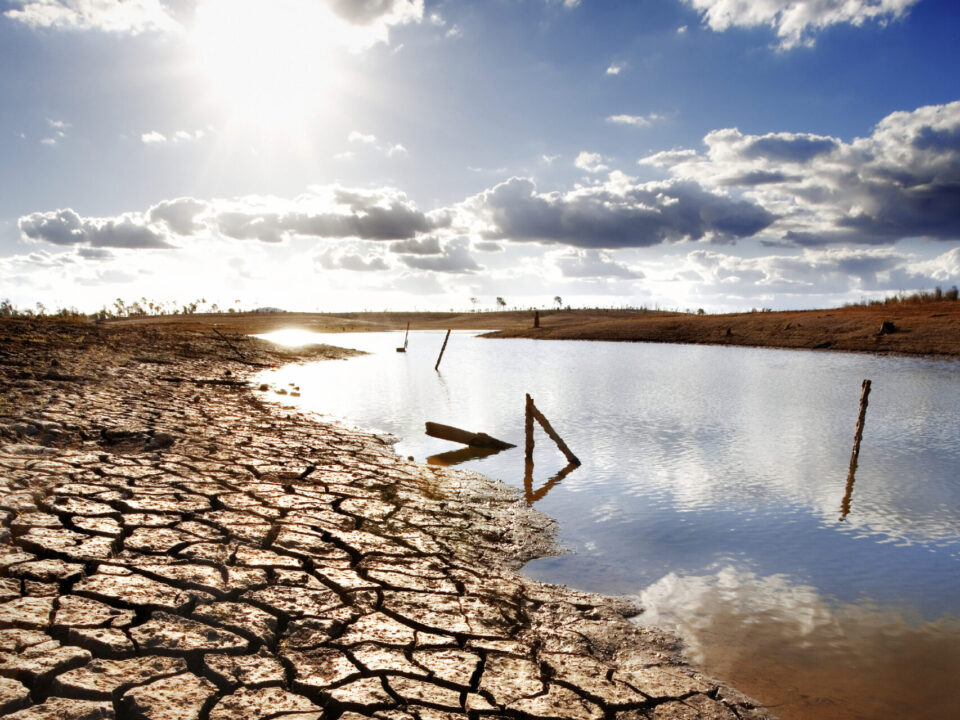
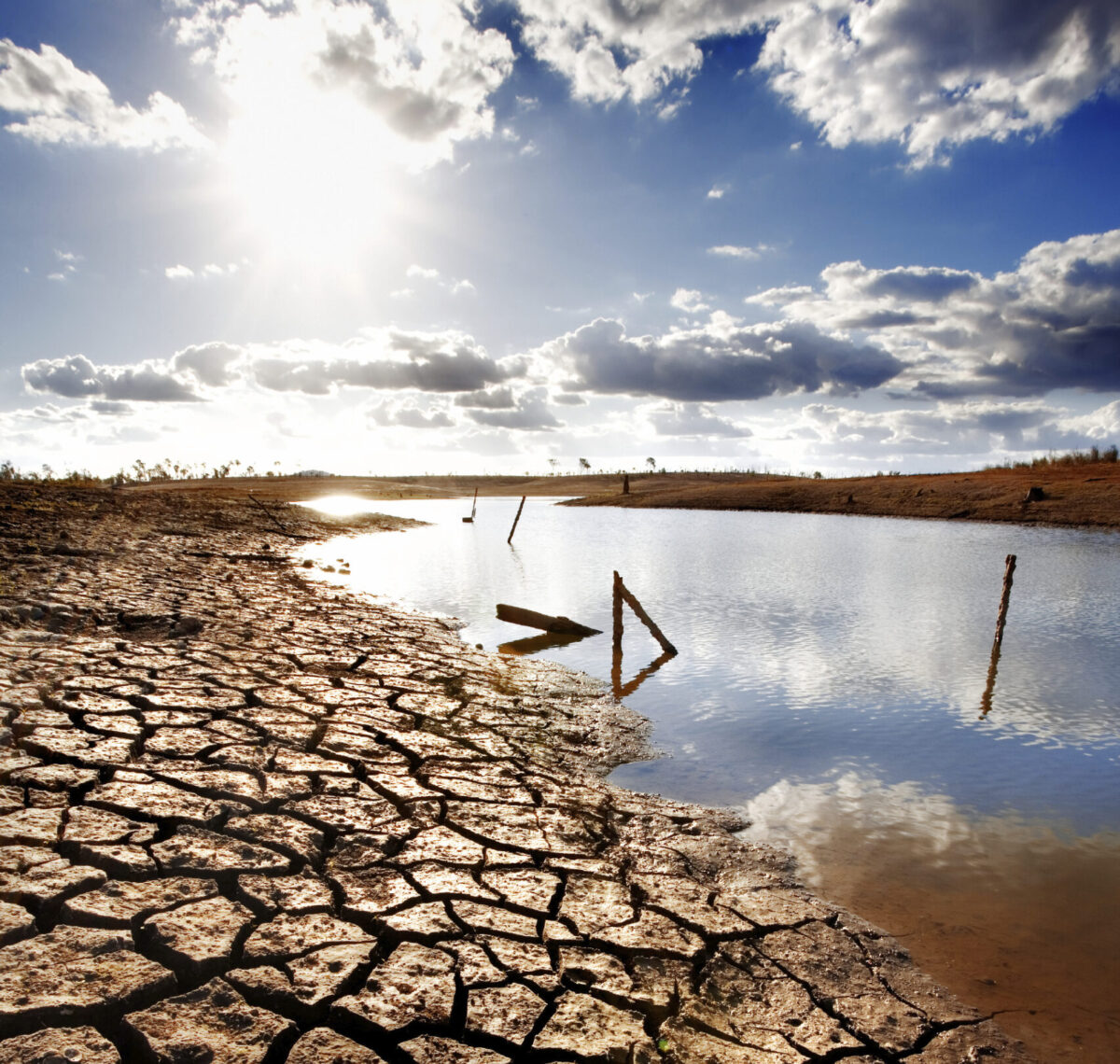
Across BC, water insecurity is no longer an abstract concern. Dawson Creek’s recent state of water emergency is just the latest stark example: years of drought combined with high industrial demand have brought reservoirs to critically low levels, forcing costly emergency measures, including a proposed $100 million water pipeline. Dawson Creek follows the Sunshine Coast and the Village of McBride in declaring water emergencies in recent years. Communities from every corner of the province are now facing similar pressures, dwindling supplies, rising costs, and mounting strain on local economies.
Local governments are being asked to do more with less: approve housing, support economic growth, prepare for emergencies, and protect drinking water, often without the resources, authority, coordination, or data required to manage water sustainably. Decisions are often made upstream, frequently leaving downstream communities to bear the financial and social consequences.
The economic risks of inaction are real and growing:
- Water shortages force businesses to close and farms to lose crops
- Wildfires and droughts damage infrastructure, impact tourism, and threaten community health
- Declining investor confidence as communities face water insecurity
- Rising emergency costs that strain local budgets
BC’s water governance system remains fragmented. Unlike other provinces, we lack a coordinated framework of watershed boards. Local watershed boards bring together First Nations, local governments, and other key water users like Agriculture to develop local solutions to water challenges. Collaborative successes in the Koksilah, Cowichan, Nicola, and Okanagan watersheds demonstrate what is possible, but they remain the exception rather than the norm.
Sustained, long-term funding is needed to do this critical work. There is a practical path forward, and it does not require raising taxes for everyday people. A recent report from the BC Watershed Security Coalition highlights that BC currently charges some of the lowest industrial water rental rates in Canada. Modernizing these rates could generate over $100 million annually, providing a stable, ongoing revenue source for watershed planning, monitoring, and restoration.
We urge the Province to take three key actions:
- Modernize industrial water rental rates – ensure large-volume water users contribute fairly to the water systems our communities and economy rely on.
- Enable local watershed boards – develop a provincial system of Watershed Boards that provides clear decision-making structures, enabling local governments and First Nations to lead, coordinate data and set shared priorities with key water users that reflect each watershed’s unique geography and history.
- Scale up the Watershed Security Fund – direct provincial water revenue back into the health of our watersheds, driving good local jobs in the watershed workforce, community-led watershed planning, monitoring, and stewardship.
Investing in watershed security strengthens BC’s climate resilience, supports local jobs, safeguards drinking water, protects food production, attracts investment, and stabilizes regional economies. In short, watershed security is community security and economic security.
Local governments are ready to lead and collaborate on this work, but we cannot do it alone. Provincial leadership, sustained funding, and governance reform are essential. The longer we wait, the higher the costs – but if we act now, we can build a more resilient, prosperous, and sustainable future for every community in British Columbia.
Our communities and our shared economy depend on it.
Sincerely,
| Vickey Brown Mayor Village of Cumberland | Silas White Mayor Town of Gibsons | Blair Ireland Mayor District of Lake Country |
Jack Crompton Mayor Resort Municipality of Whistler | Pat Corbett-Labatt Mayor District of Port Hardy | Nicole Minions Mayor Town of Comox |
| Martin Elphee Mayor District of Fort St. James | Sarah Fowler Deputy Mayor Village of Tahsis | Joan Atkinson Mayor District of Mackenzie |
| Brian Conrad Regional Board Chair Regional District of East Kootenay | Edwin Grieve Director Chair Electoral Area C Comox Valley Regional District | Justine Gabias Director Area B Sunshine Coast Regional District |
| Alton Toth Board Chair Sunshine Coast Regional District | Cyra Yunkws Area B Director Regional District of Kitimat–Stikine | Karen Deck Director Area I Cowichan Valley Regional District |
| Sandy McCormick Electoral Area Director Qathet Regional District | Alison Nicholson Director Area E Cowichan Valley Regional District | Robyn Mawhinney Electoral Area Director Strathcona Regional District |
| Vivian Birch-Jones Area B Director Squamish Lillooet Regional District | Tricia Brett Councillor District of Lake Country | Nikki Pichert Councillor Village of Gold River |
| Sue Cairns City Councillor City of Kimberley | Wesley Routley Councillor Town of Golden | Tanille Johnston Councillor City of Campbell River |
| Melanie McCollum Councillor City of Courtenay | Nick Ward Councillor Village of Cumberland | Troy Therrien Councillor Village of Cumberland |
| Gerry Leibel Councillor District of Kitimat | Alison Gu Councillor City of Burnaby | Jenn Meilleur Councillor Town of Comox |
| Ben Geselbracht Councillor City of Nanaimo | Susan Kim Councillor City of Victoria | Paul Manly Councillor City of Nanaimo |
| Rob Southcott Councillor City of Powell River | Rik Logtenberg Councillor City of Nelson | Jessica McIlroy Councillor City of North Vancouver |
| Dale Bass Councillor City of Kamloops | Leslie Payne Councillor City of Nelson | Matt Djonlic Councillor City of Coquitlam |
| Amit Gaur Councillor City of Parksville | Chris Pettingill Councillor District of Squamish | Timothy Peterson Local Trustee Islands Trust Lasqueti Island |
| Tanner Timothy Legislator Tla’amin Nation | Pete Fry Councillor City of Vancouver | Wayne Stetski Councillor City of Cranbrook |
| Trina Isakson Councillor City of Powell River |